
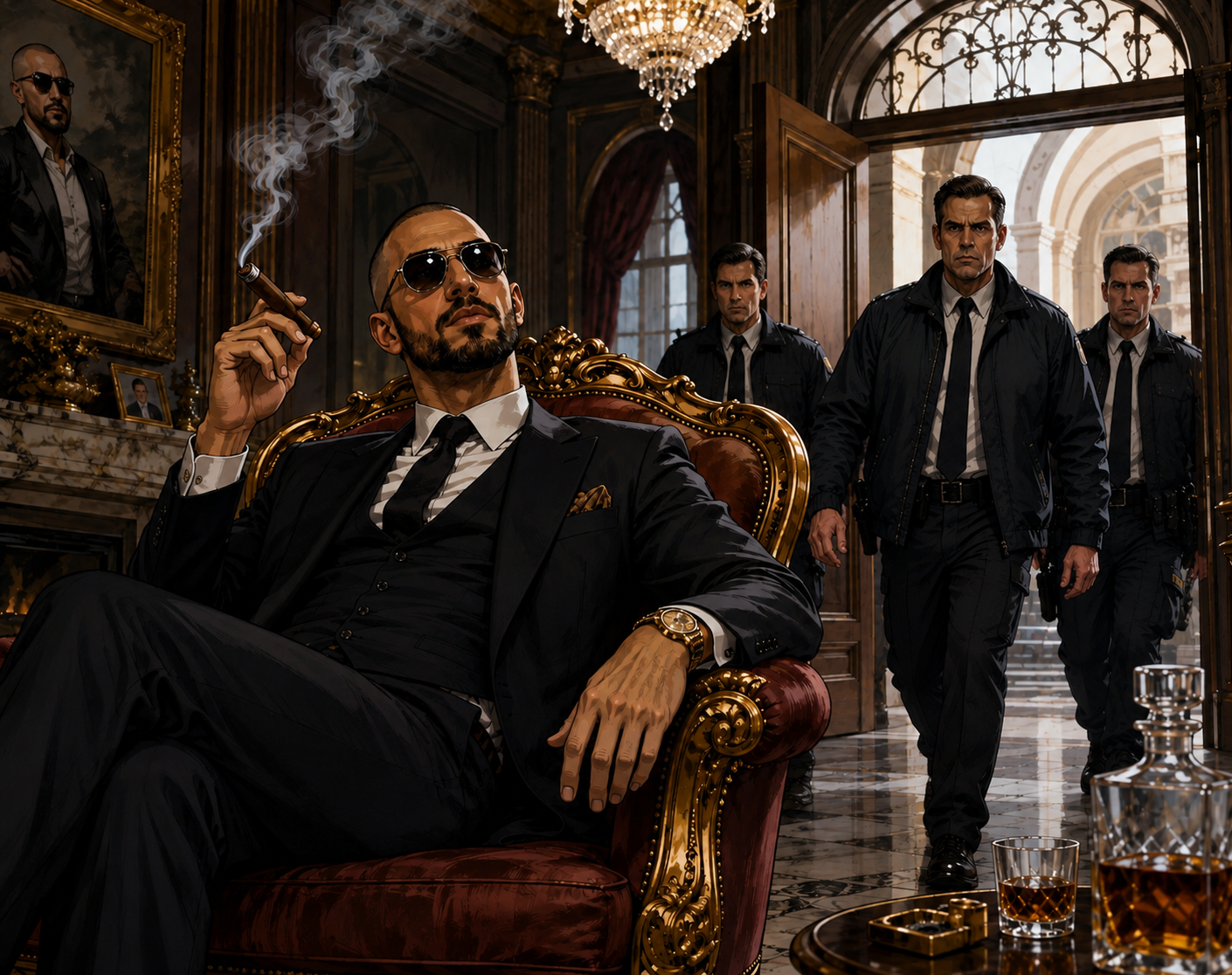
One of the most uncomfortable contrasts in today’s public discourse is this: Andrew Tate sits in jail awaiting legal proceedings while fighting extradition on criminal charges he denies, yet the Epstein scandal continues to leave many people with the impression that powerful figures connected to Jeffrey Epstein have escaped meaningful public accountability. Tate is currently detained in the United States pending extradition proceedings to the United Kingdom on serious criminal charges, all of which he denies.
Unlike Andrew Tate, Epstein was not famous because he wanted millions of followers. His influence operated in quieter rooms, among billionaires, politicians, royalty, financiers, and celebrities. The enduring public fascination with the Epstein files is not simply about one criminal. It is about the unsettling possibility that systems of wealth and influence protect people.
Andrew Tate and the Epstein files represent two very different challenges to the people who occupy society’s highest levels of influence. Andrew Tate is disruptive because he built an audience outside the traditional gatekeepers. He doesn’t rely on legacy media, universities, political institutions, or Hollywood for his reach. Millions consume his message directly through social media. Whether one views him as an entrepreneur, provocateur, or harmful influencer, his influence bypasses institutions that historically shaped public opinion.
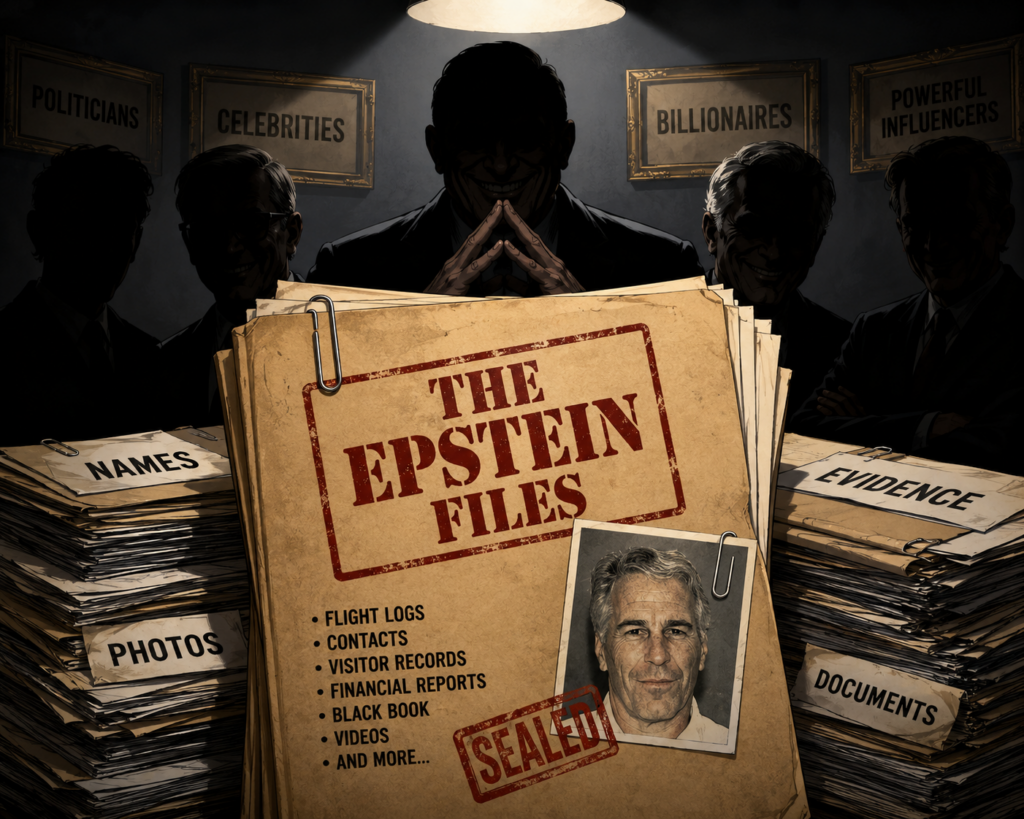
The Epstein files represent a different kind of threat. They are not threatening because of one man, Jeffrey Epstein is dead. They are threatening because they have become a symbol of unanswered questions about wealth, influence, and accountability. Whether one believes institutions have been too lenient toward elites or too aggressive toward controversial public figures, the underlying concern is the same: Does justice operate equally for everyone?
The Andrew Tate phenomenon and the Epstein scandal illuminate different facets of the same underlying concern: who is held accountable, who is protected, and who gets to shape the public narrative. One commands headlines through spectacle. The other continues to cast a shadow over institutions.
This is not to suggest that anyone should be above the law. If Andrew Tate committed crimes, the legal system should pursue them. If anyone connected to Jeffrey Epstein committed crimes, the same standard should apply. Justice cannot be selective.
If we truly want accountability, we should demand evidence over rumor, transparency over secrecy, and consistent standards regardless of wealth, fame, or political affiliation. A healthy society should neither idolize influencers nor blindly trust elites. It should demand the same thing from everyone: transparency, due process, and equal justice under the law.