

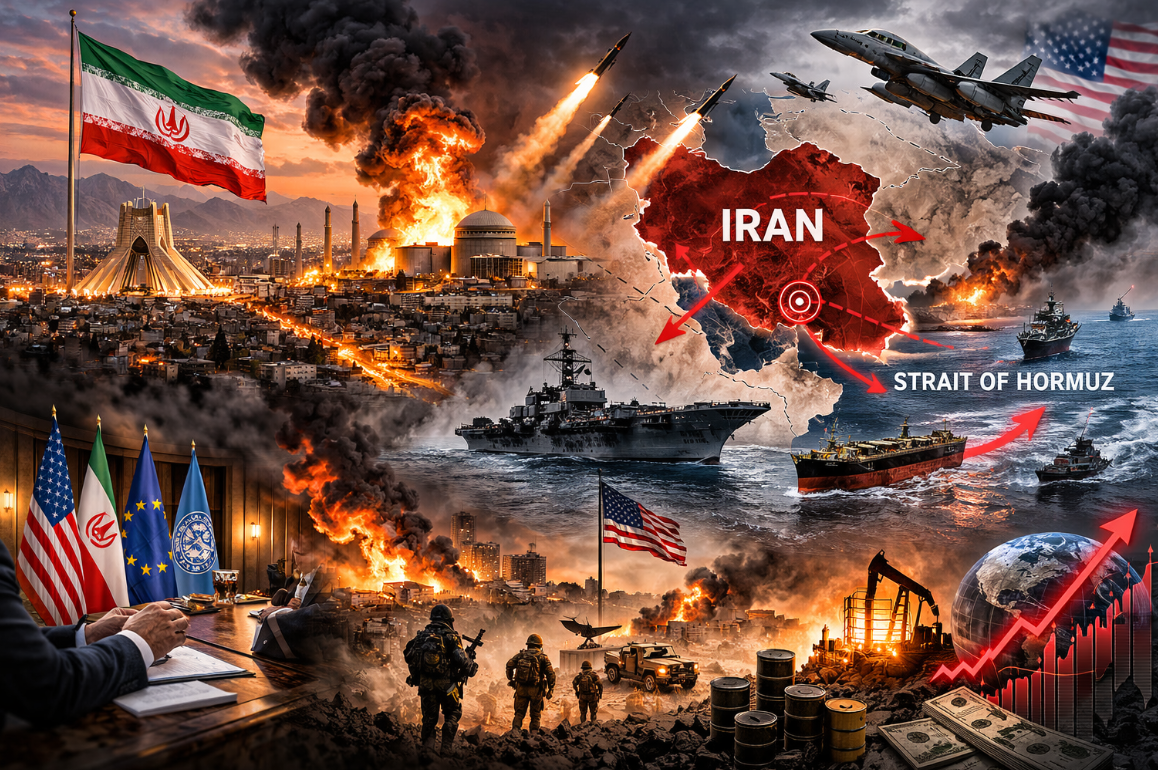
Global attention has sharply refocused on the Middle East as credible intelligence and senior officials in Washington warn that a military strike on Iran could occur within days or weeks if diplomatic avenues falter. Preparations by the United States and its allies have accelerated carrying a wide range of implications.
In recent days, unnamed U.S. officials indicated that the Pentagon is moving toward readiness for a sustained air and naval campaign against Iranian targets should President Donald Trump authorize such action. This build-up, backed by deployments of multiple carrier strike groups including the USS Abraham Lincoln and the incoming USS Gerald R. Ford, reflects planning for what could become a multi-week confrontation rather than a brief incursion.
Iranian leadership has responded with stern warnings of powerful retaliation. Tehran has reinforced its naval presence in strategic waterways such as the Strait of Hormuz through which one-third of global seaborne oil shipments pass heightening concerns about energy market disruptions.
Diplomacy and Deadlines
Parallel to the military build-up, U.S. and Iranian representatives engaged in a second round of indirect negotiations in Geneva, with each side claiming modest progress but acknowledging deep gaps on core issues such as Iran’s nuclear program and missile capabilities. Qatar and European states have emphasized the importance of diplomacy, but analysts say time is short and mistrust runs deep.
Some senior U.S. advisers are reportedly urging restraint and clarity of objectives before any strike, noting that the administration has yet to publicly define what an attack would aim to achieve beyond pressuring Tehran. Others, including voices within Iran’s opposition, have urged a decisive intervention to hasten regime change, arguing that internal unrest and protests indicate a regime in distress.
Regional and Global Repercussions
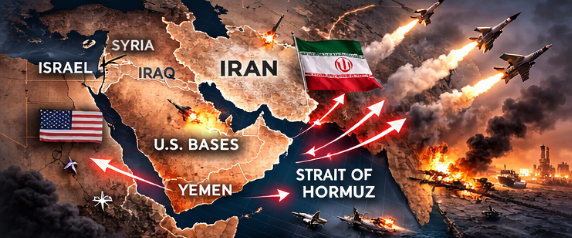
Military action against Iran would almost certainly trigger a swift and multifaceted response. Tehran has vowed to target U.S. bases and interests in the region and could employ ballistic missiles and proxy forces across the Middle East. This could expand a localized conflict into a broader regional war involving Iraq, Syria, Lebanon, and Yemen, with significant civilian casualties.

Economically, the risk of disruption to oil exports through the Strait of Hormuz could spark sharp spikes in global energy prices, exacerbating inflation worldwide. Supply chain instability, higher costs for transportation and industry, and market uncertainty could ripple through global markets.
A prolonged conflict might also reset geopolitical alignments, with nations such as Russia, China, and Turkey responding to U.S. actions in ways that could deepen existing global tensions. Humanitarian consequences, including refugee flows and civilian harm, would pose acute challenges for neighboring states and international agencies. Analysts have warned that without clear aims and exit strategies, military engagement could entrench hostilities rather than resolve them.
Balancing on a Knife’s Edge
As of this week, U.S. officials have not confirmed a final decision to strike, and diplomatic channels remain open. Yet military planners are increasingly preparing for a scenario once considered remote. With both sides girded for confrontation, the world watches a crisis that could reshape the geopolitics of the Middle East and reverberate across continents.