

Los Angeles has always been a city of arrivals, dreamers stepping off planes with suitcases full of hope, artists chasing light, lovers believing the ocean might bless their beginning. But it is also a city of endings. Heartbreak here does not whisper, it echoes. It ricochets off canyon walls, dissolves into freeway exhaust, and settles quietly beside you at a café table meant for two. And in that collision between loss and possibility, something profound begins to change.
Heartbreak in Los Angeles feels cinematic at first. The wide streets make solitude feel wider. The sunsets are so impossibly beautiful they almost mock your sadness, bleeding orange and pink across the sky while your world has gone gray. You drive alone at night, headlights blurring, music turned up not for pleasure but for survival. The city keeps moving, auditions, premieres, first dates, last calls, while your inner life comes to a sudden stop. That contrast is brutal. And necessary.
What makes heartbreak powerful here is the way the city refuses to pause for you. In that refusal, you are forced to confront yourself. Without the person you loved, who are you in this place? Los Angeles strips away the shared routines, the favorite taco stand, the beach you always went to on Sundays, the apartment that still smells faintly like them. Every familiar landmark becomes unfamiliar again. Pain turns the city into a mirror.
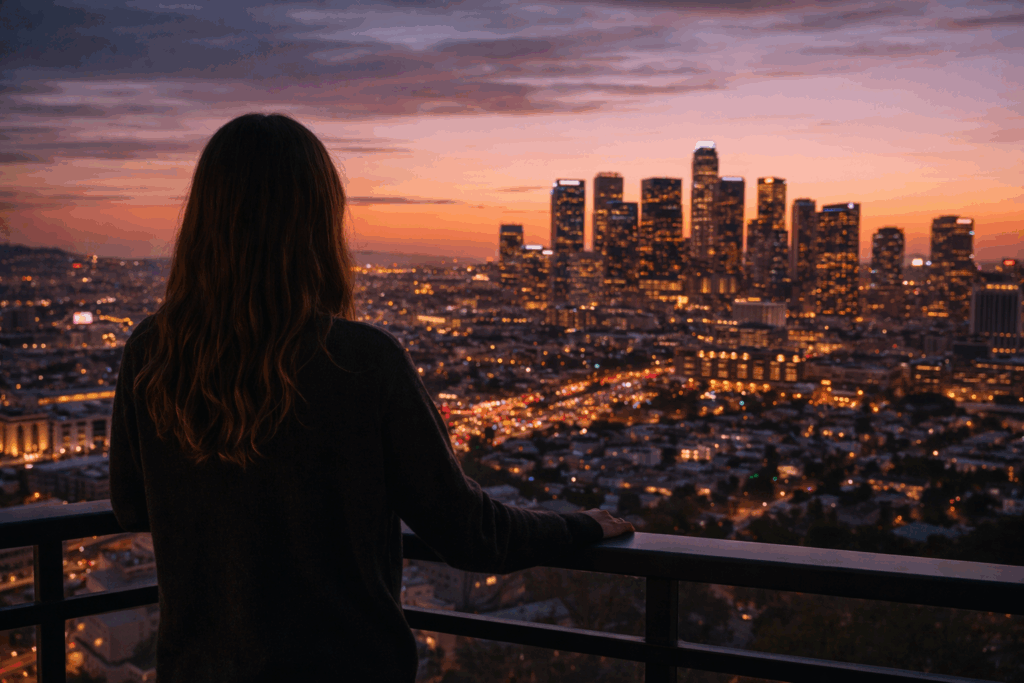
Emotionally, heartbreak initiates a kind of excavation. At first there is denial, then anger, then the hollow quiet where grief finally settles in. But Los Angeles, for all its noise, offers space to transform that grief. Long walks through neighborhoods you have never explored. Early mornings hiking dusty trails where the city looks small and survivable from above. Late nights writing, creating, or simply sitting with the discomfort instead of running from it. Slowly, your emotional vocabulary expands. You learn the difference between loneliness and solitude, between love and attachment, between who you were and who you are becoming.
In a city obsessed with reinvention, heartbreak becomes a catalyst. It humbles you. It softens sharp edges. It teaches empathy in a place that often rewards armor. You begin to feel more deeply, not just sadness, but gratitude, clarity, and resilience. You stop performing happiness and start pursuing honesty. The emotional change is not loud. It is quiet and internal, a rewiring of the heart.
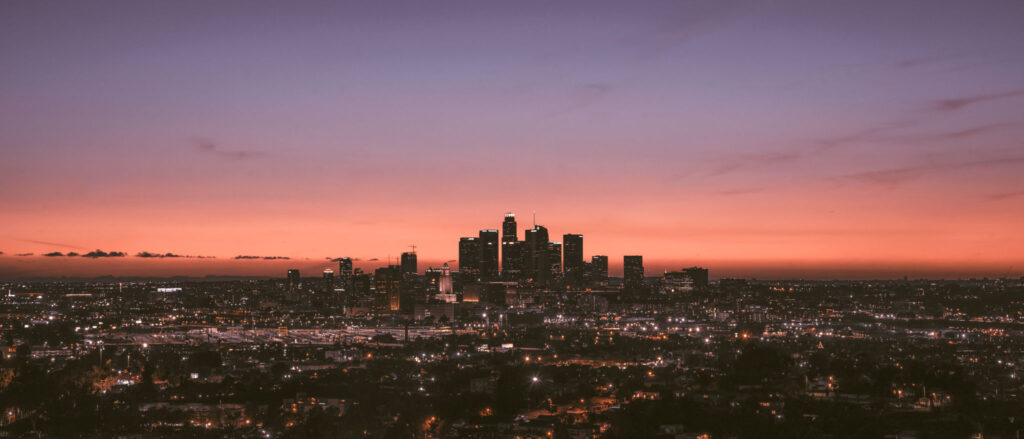
Eventually, Los Angeles opens back up. The same streets feel different. The sunsets do not hurt as much. You realize you did not just survive heartbreak here, you were shaped by it. In losing someone, you gained a more intimate understanding of yourself. And in a city built on illusion, that kind of emotional truth is its own rare form of power.