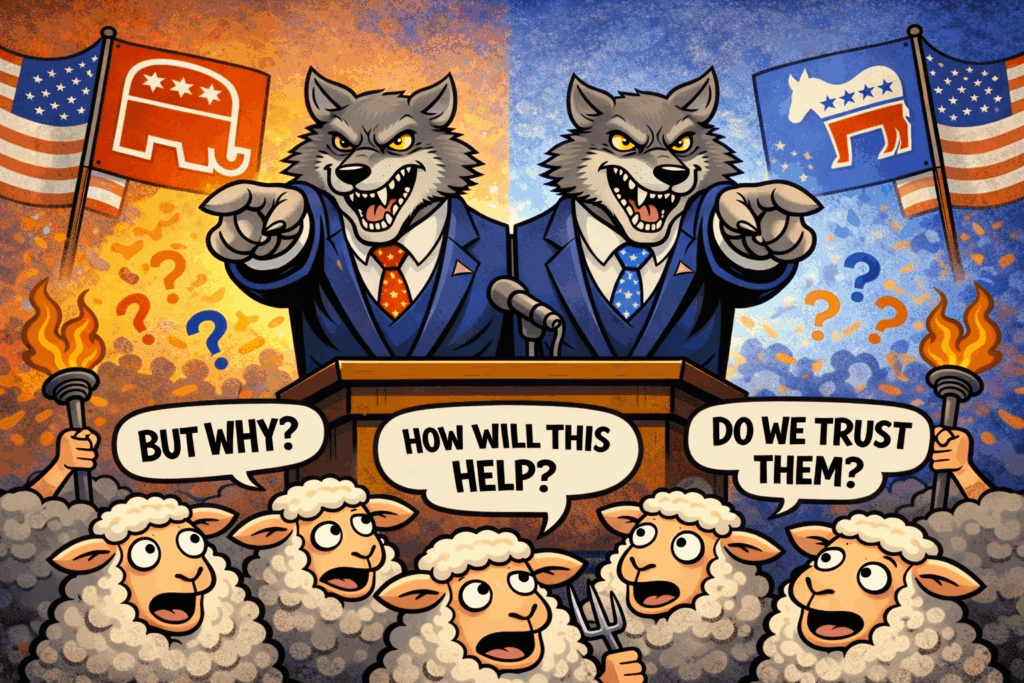

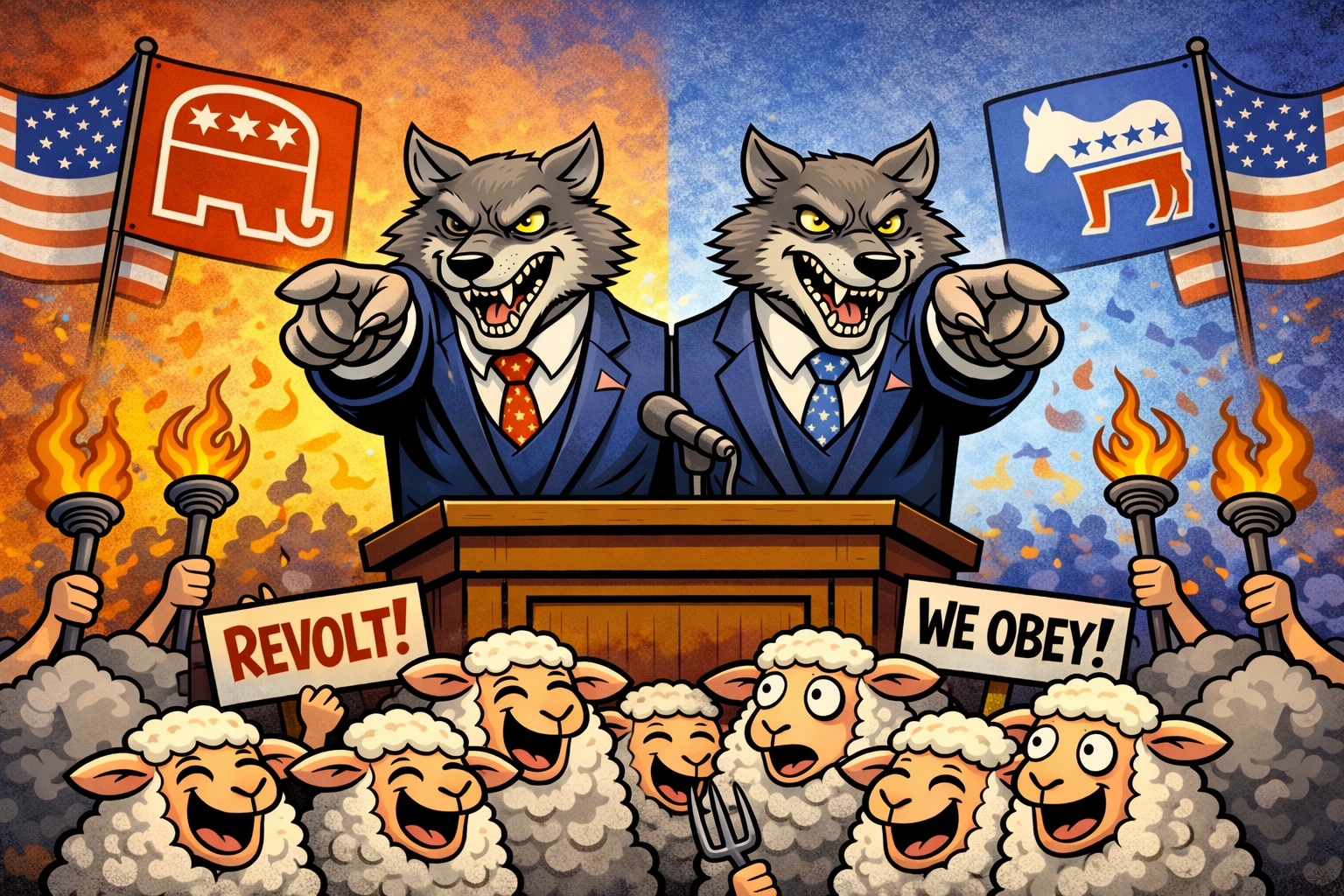
In a hyper polarized political climate, words travel fast, and land hard. Across the ideological spectrum, elected officials use emotionally charged language to mobilize supporters around deeply felt issues such as immigration enforcement, policing, election integrity, and public health. While most political speech is lawful and protected, the effects of rhetoric can be unpredictable, particularly when audiences interpret calls for action more aggressively than intended.
This article examines how political messaging, on the left and the right, can escalate tensions among the public, sometimes contributing to confrontations or disorder even without explicit calls for violence.
The Power, and Risk, of Mobilizing Language
Political leaders often rely on vivid phrasing to break through a crowded media environment, “fight,” “resist,” “take back,” “stand up,” or “confront.” Such language can energize supporters and signal urgency. But research in political communication suggests that heightened rhetoric also increases the risk of misinterpretation, especially during moments of social stress or rapid mobilization via social media.
Crucially, most politicians do not instruct citizens to commit crimes. Yet audiences do not receive messages in a vacuum. Context, ongoing protests, viral videos, or perceived injustices, can turn metaphorical language into literal action for a small but consequential subset of listeners.
Immigration, ICE, and the Flashpoint Effect
Immigration enforcement has become one of the most emotionally charged policy arenas in American politics. Protests surrounding Immigration and Customs Enforcement, ICE, illustrate how rhetoric can intensify already volatile situations. Advocates often frame opposition to ICE operations in moral terms, while critics argue such framing can blur the line between lawful protest and interference with federal agents.
Statements from public officials supporting protest movements are frequently scrutinized, by supporters who see encouragement, and by opponents who see endorsement of disruption. The same message can be read in radically different ways depending on political alignment and media framing.
A Bipartisan Pattern
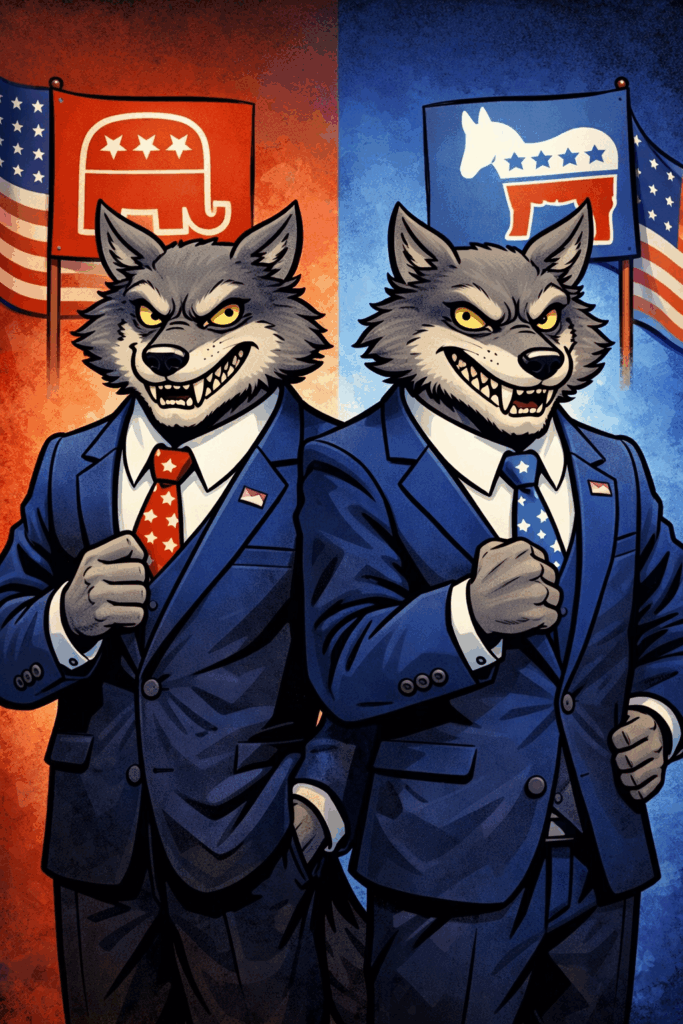
This dynamic is not confined to one party. On the right, phrases like “stop the steal” or “take our country back” have been criticized for fueling confrontations around elections and government institutions. On the left, calls to “abolish” or “shut down” agencies are sometimes interpreted as endorsements of direct action rather than policy reform.
In both cases, the pattern is similar,
- High stakes issue
- Emotionally charged rhetoric
- Rapid amplification through social media
- A minority of supporters acting more aggressively than intended
The result is a feedback loop in which each side points to the other’s rhetoric as evidence of recklessness, further escalating mistrust.
Where Is the Line?
Legally, the bar for incitement in the United States is high. Politically and ethically, however, the standard is less clear. Many scholars argue that leaders bear a responsibility not only for what they say, but for how reasonably foreseeable their words might be interpreted, especially during moments of unrest.
This does not mean politicians should avoid strong language altogether. It does suggest that clarity, de-escalation, and explicit support for lawful civic engagement can help reduce the risk that political passion spills into harm.
The Takeaway
Political speech is a powerful tool. It can inspire democratic participation or intensify conflict. As polarization deepens, the challenge for leaders across parties is not merely to energize their base, but to do so in ways that affirm peaceful participation and democratic norms. In an era when a single phrase can ricochet across platforms in minutes, the difference between mobilization and misinterpretation has never been more consequential.